


A single dose of psilocybin produced speedy antidepressant results in a small Swedish medical trial, with enhancements lasting for weeks.
A single dose of psilocybin, the psychedelic compound present in magic mushrooms, produced speedy enhancements in melancholy signs in a small Swedish medical trial. After six weeks, 53% of individuals who obtained psilocybin had been in remission, in contrast with simply 6% of these given a placebo.
Some individuals reported enhancements inside two days, and the antidepressant results continued for greater than three months in self-reported assessments. The findings come from Sweden’s first randomized, double-blind trial of psilocybin for melancholy, carried out by researchers at Karolinska Institutet and revealed in JAMA Community Open.
Selective serotonin reuptake inhibitors (SSRIs) are among the many most generally prescribed therapies for melancholy, however they’ll take a number of weeks to work, trigger undesirable uncomfortable side effects, and supply inadequate aid for some sufferers. Earlier analysis has urged that psilocybin could act extra rapidly, though a lot of that work has targeted on treatment-resistant melancholy or melancholy related to most cancers.
The brand new section 2 trial investigated whether or not psilocybin might additionally assist individuals with extra frequent types of recurrent melancholy. Researchers enrolled 35 adults between the ages of 20 and 65 who had average to extreme signs. Members had been randomly assigned to obtain both 25 milligrams of psilocybin or niacin, a vitamin used as an energetic placebo as a result of it produces noticeable bodily sensations.
Each teams obtained psychotherapeutic help throughout 5 classes earlier than, throughout, and after remedy. In the course of the dosing session, individuals wore eye masks, listened to music via headphones, and had been inspired to direct their consideration inward.
Melancholy Signs Improved Inside Days
Researchers measured melancholy severity utilizing the MADRS (Montgomery–Åsberg Melancholy Ranking Scale), with assessments carried out by clinicians who didn’t know which remedy every participant had obtained.
Eight days after remedy, melancholy scores had fallen by a mean of 9.7 factors within the psilocybin group, in contrast with 2.4 factors within the placebo group. The 7.3-point distinction was statistically important and thought of clinically significant. The benefit remained evident at assessments carried out 15 and 42 days after remedy, whereas individuals’ personal rankings indicated enchancment as early because the second day.
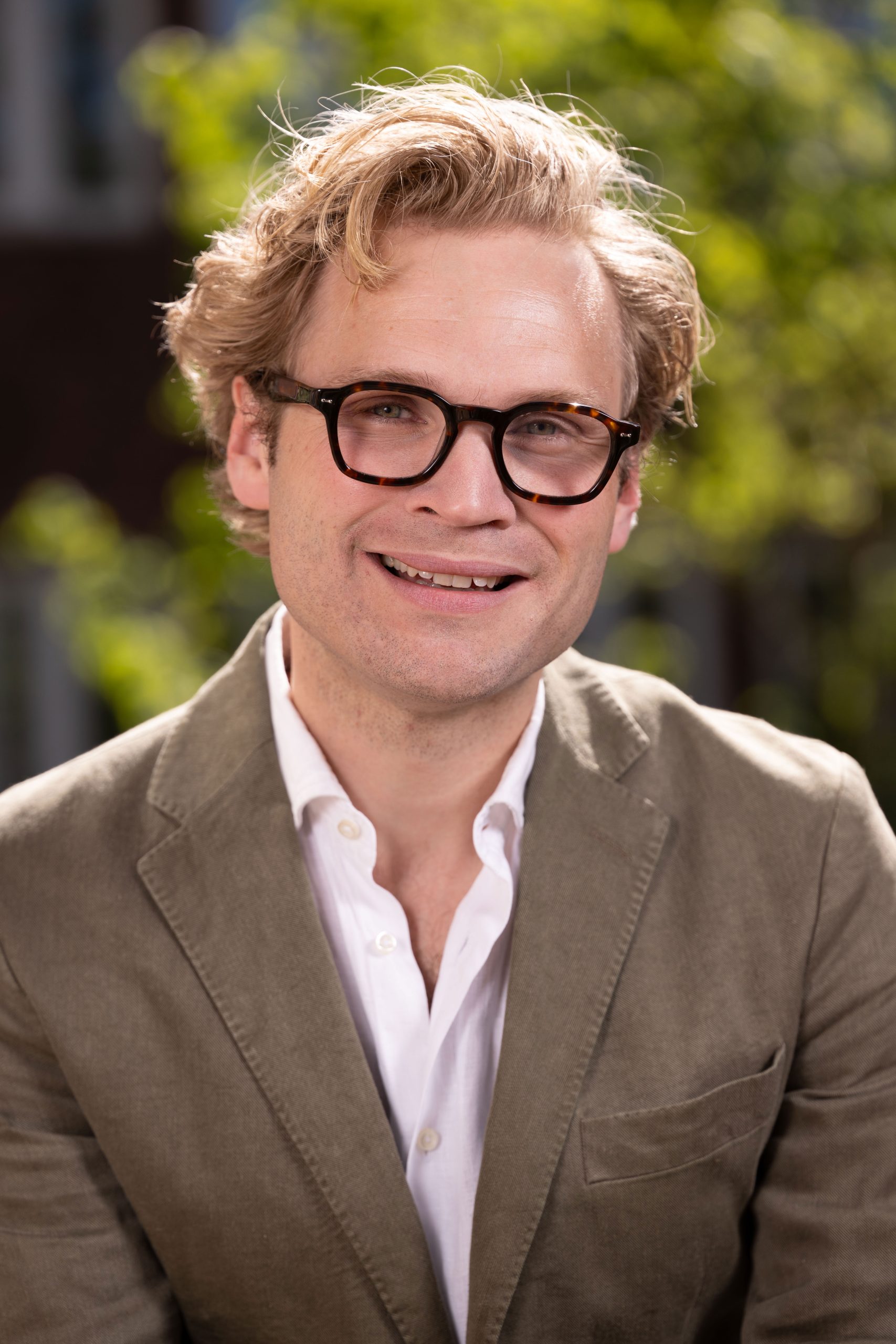
“Our outcomes counsel that psilocybin can present speedy, clinically significant enchancment in melancholy and should function a substitute for customary remedy when quick symptom discount is vital,” says lead writer Hampus Yngwe, marketing consultant psychiatrist and PhD scholar on the Division of Scientific Neuroscience, Karolinska Institutet.
Lengthy-Time period Effectiveness Stays Unsure
Though the preliminary outcomes favored psilocybin, the distinction between the teams was not statistically confirmed after one 12 months. At that time, 53% of individuals within the psilocybin group remained in remission, however many individuals who had obtained the placebo had additionally recovered.
“Nevertheless, the long-term results are unsure. Repeated therapies could also be wanted to stop relapse. This must be investigated in bigger research.”
The findings counsel {that a} single supervised dose could present comparatively speedy symptom aid for some sufferers, however the small trial can’t set up how persistently these advantages will final or whether or not further doses would enhance long-term outcomes.
Aspect Results and the Problem of Blinding
Psilocybin was usually effectively tolerated, with most reported uncomfortable side effects being delicate or average and non permanent. Nevertheless, two individuals who obtained the psychedelic skilled extreme, persistent nervousness that required medical consideration.
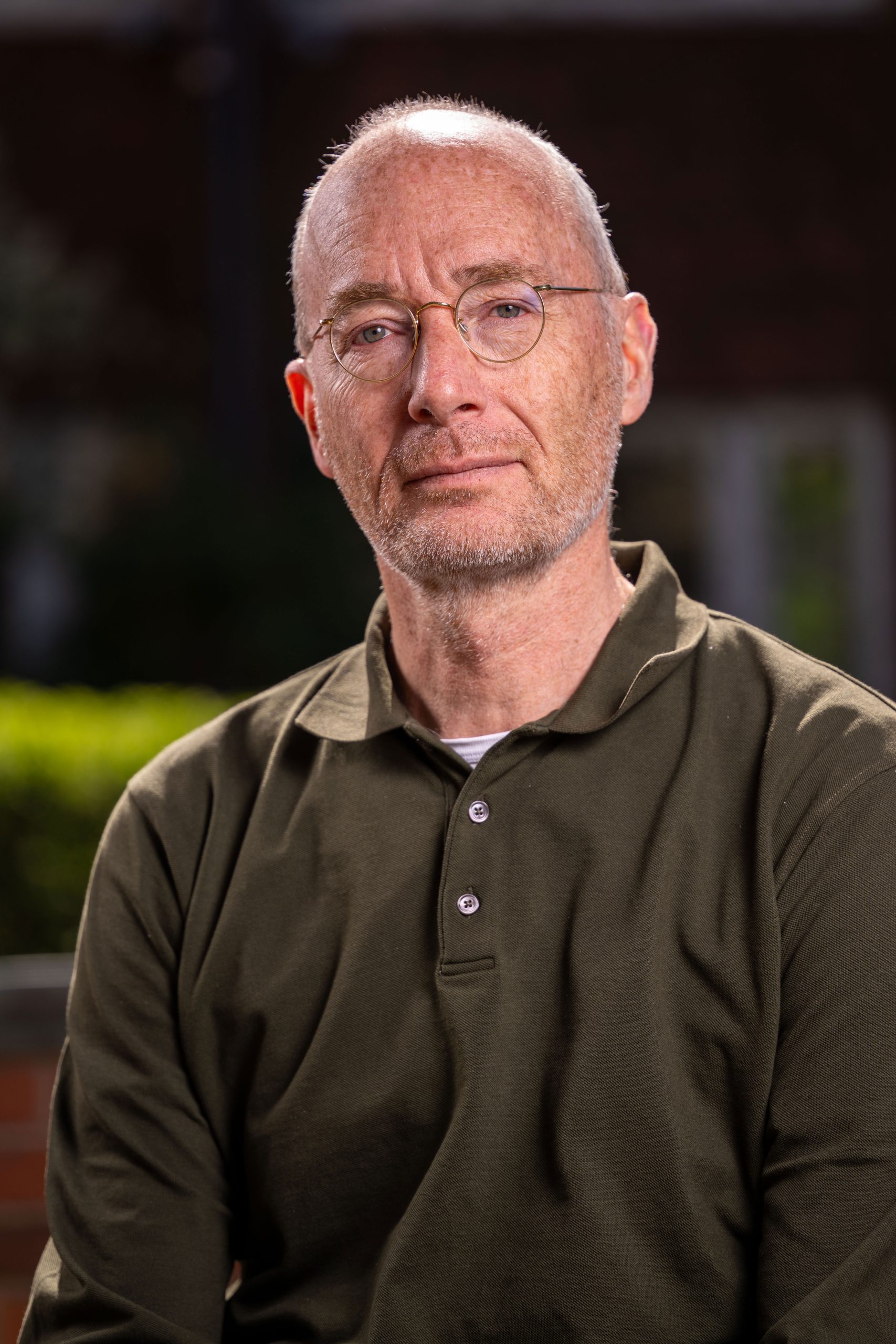
“You will need to emphasize that the remedy just isn’t risk-free and that some sufferers might have additional help,” says Johan Lundberg, professor on the Division of Scientific Neuroscience and the Centre for Psychiatry Analysis, Karolinska Institutet, who led the examine.
One other limitation concerned the issue of conserving individuals unaware of their assigned remedy. Psychedelics produce distinctive psychological results, and virtually everybody within the trial accurately guessed whether or not they had obtained psilocybin or the placebo. Such consciousness can affect expectations and make it tougher to find out how a lot enchancment comes from the drug itself.
“We need to perceive how components resembling remedy expectations and lack of blinding have an effect on the outcomes, as earlier research could have exaggerated the remedy results,” says Hampus Yngwe.
Investigating How Psilocybin Adjustments the Mind
Researchers are actually turning to organic measurements collected throughout the trial to analyze how psilocybin would possibly affect melancholy. Their subsequent analyses will look at PET mind scans alongside blood and cerebrospinal fluid samples obtained earlier than and after remedy.
One space of curiosity is synaptic density, which displays the variety of connections via which nerve cells talk. Melancholy has been related to disrupted communication between mind areas, whereas preclinical research counsel that psychedelics could promote the expansion of synaptic connections. Whether or not comparable adjustments happen in individuals receiving psilocybin stays an open query.
“Analysis means that the interplay between elements of the mind is impaired in melancholy and that this can be linked to adjustments within the connections between nerve cells, referred to as synapses. In preclinical research, psychedelics have been proven to stimulate synaptic progress. We subsequently need to examine whether or not psilocybin alters synaptic density within the mind,” concludes Hampus Yngwe.
Reference: “Quick-Time period and Late-Time period Results of Psilocybin on Signs in Main Melancholy: A Randomized Scientific Trial” by Hampus Yngwe, Pontus Plavén-Sigray, Carl Johan Ekman, Eva Henje, Anders Berglund, Mikael Tiger, Maria Beckman and Johan Lundberg, , JAMA Community Open.
DOI: 10.1001/jamanetworkopen.2026.12589