


A brand new research reveals shocking variations in how female and male hearts age on the mobile stage.
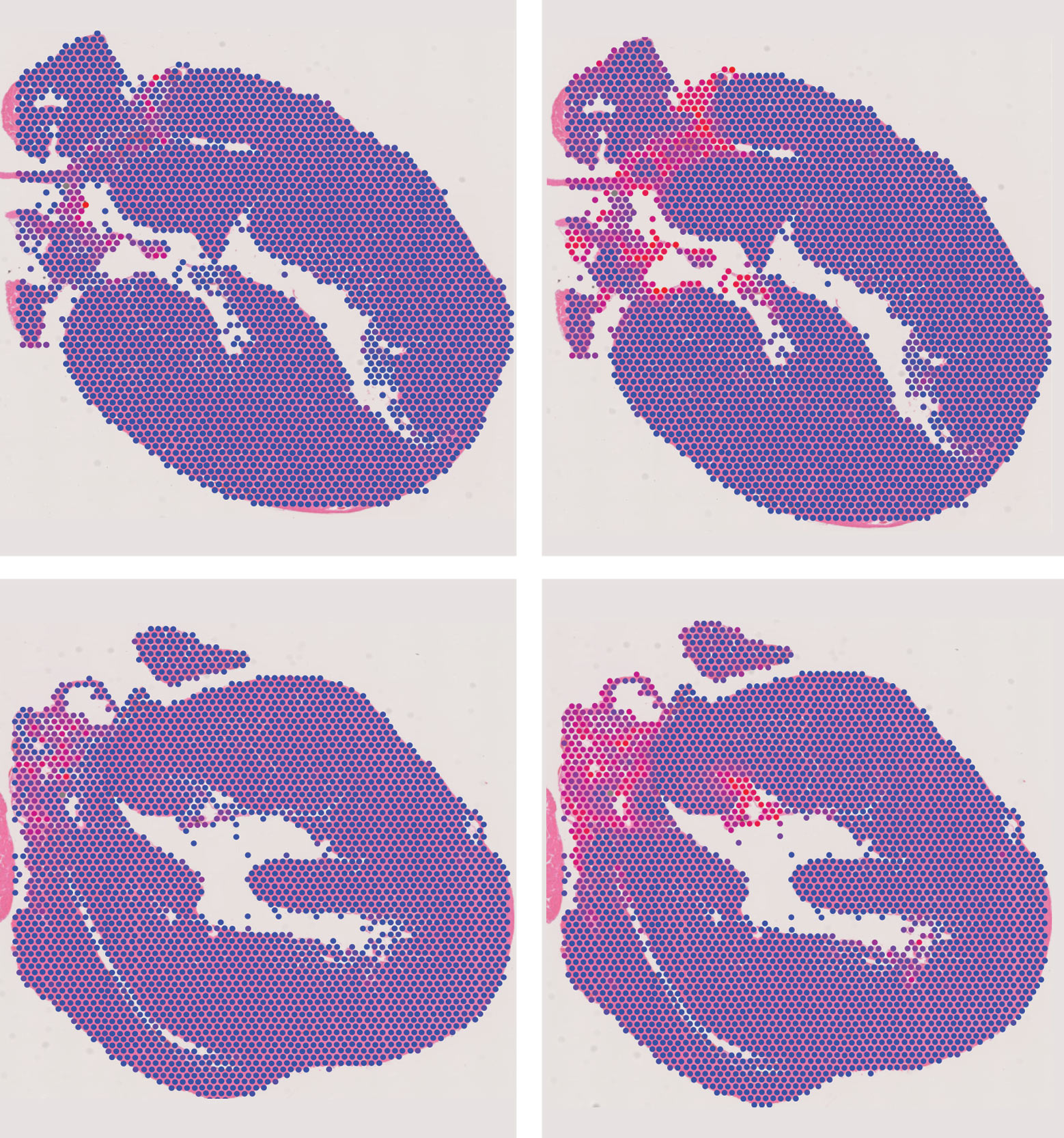
The guts could age very in another way from one area to a different. An in depth research of mouse hearts discovered that molecular indicators related to power irritation and tissue scarring have been concentrated across the aortic valves and aortic root, somewhat than being distributed evenly all through the organ.
Researchers at The Jackson Laboratory (JAX) recognized these hotspots by mapping hundreds of cells from younger and aged mice. Printed in Getting old Cell, the findings counsel that buildings usually missed in cardiac growing old analysis could play a central position in how the guts adjustments over time.
Why the Coronary heart’s Valves Might Be Getting old Hotspots
Earlier research of cardiac growing old have largely targeting coronary heart muscle, notably the left ventricle, which pumps oxygenated blood into the aorta and all through the physique. As a result of mammalian coronary heart muscle cells have very restricted capability for regeneration, understanding how they deteriorate with age has been a significant analysis precedence. The JAX staff as a substitute examined all the coronary heart, utilizing single-cell and spatial genomics applied sciences to determine each the molecular exercise of particular person cells and their places throughout the organ.
“The valves and the key blood vessels are components usually considered plumbing somewhat than the primary engine, however this can be a very sophisticated little machine,” stated research writer Nadia Rosenthal, scientific director at JAX. “It seems they’re residence to lots of the cells we’re taken with, and that’s the place a few of the most vital aging-related alerts have been concentrated.”
“A number of the markers related to inflammaging have been there from the very starting in younger hearts, however they have been targeted particularly in areas nobody had outlined earlier than, within the valves and the aorta somewhat than in muscle tissue,” Rosenthal stated. “We actually have to consider growing old as one thing that’s not linear, as a result of identical to we all know that folks don’t age on the identical fee, what we all know now’s that organs and tissues don’t age on the identical fee both, even inside one particular person.”

How Immune Cells and Fibroblasts Affect Cardiac Getting old
Getting old is related to persistent, low-grade irritation, generally known as “inflammaging.” The researchers targeted on two cell populations concerned on this course of: immune cells that assist regulate irritation (macrophages) and structural cells chargeable for sustaining connective tissue and producing scar tissue (fibroblasts). In older mouse hearts, macrophages confirmed elevated exercise in genes related to irritation and tissue transforming, whereas fibroblasts exhibited molecular patterns linked to fibrosis (or scarring).
“To maintain muscle cells glad, the opposite cells within the coronary heart need to proceed supporting them all through life,” Rosenthal stated. “What this research does, for the primary time, is present a complete image of how these assist cells, notably fibroblasts and macrophages, change with age and contribute to what we name inflammaging.”
The staff additionally detected elevated exercise in two genes throughout the recognized hotspots. Ccl8 produces an inflammatory signaling molecule, whereas Cdkn1a (also called p21) helps regulate the cell cycle and is usually related to mobile senescence. Their exercise factors to adjustments in signaling between neighboring cells, not merely remoted adjustments inside particular person cell sorts. “We’re not speaking about single genes. We’re speaking about a complete dialog between immune cells and fibroblasts. As the guts ages, the best way these cells talk adjustments, and that shift seems to be linked to the irritation and tissue transforming we see in older hearts,” Rosenthal stated.
A Stunning Discovery in Younger Hearts
Some molecular markers historically related to senescent cells have been already current in younger mouse hearts. Mobile senescence happens when cells completely cease dividing, usually following stress or harm. Senescent cells can contribute to irritation and tissue deterioration, however the researchers discovered that the presence of generally used senescence markers doesn’t essentially set up {that a} cell has entered this state.
“What shocked us was that a few of these markers which have been related to growing old have been already current in younger hearts. They weren’t the place anybody anticipated to search out them, and that pressured us to rethink what these markers are telling us,” Rosenthal stated. “That turns the same old interpretation of cardiac growing old on its ear as a result of these markers alone don’t imply a cell is senescent. There’s nothing senescent a few six-month-old mouse coronary heart.”
Male and Feminine Hearts Present Completely different Molecular Modifications
The research additionally recognized variations in how fibroblasts responded to growing old in female and male mice. In males, older fibroblasts confirmed larger involvement in molecular pathways related to fibrosis. In females, growing old was linked extra intently to pathways concerned in coronary heart improvement and protein manufacturing. These findings describe variations in gene exercise, not demonstrated variations in cardiac operate or illness threat.
Rosenthal famous that heart problems patterns additionally differ between women and men, with illness threat usually rising after menopause in girls. Nonetheless, the mouse findings don’t set up a mechanism for these human variations. Comparisons with beforehand printed human coronary heart information did determine a number of shared molecular packages related to growing old, together with pathways concerned in mobile stress responses.
“Our findings change the main focus from growing old throughout all the coronary heart to particular anatomical hotspots, serving to us higher perceive how irritation and fibrosis are linked and which areas of the guts are concerned within the growing old course of,” stated research writer Amalia Sintou, a postdoctoral affiliate at JAX.
What the Findings Might Imply for Cardiovascular Well being
Age is the main threat issue for heart problems, however separating adjustments attributable to growing old itself from these related to life-style, environmental exposures, and illness stays troublesome. Though the research didn’t set up whether or not the recognized mobile adjustments straight impair coronary heart operate, the managed situations through which the mice lived helped researchers study the organic results of growing old.
“Valve substitute is frequent in older adults, and one of many huge questions is how a lot of the underlying harm is pushed by growing old itself,” stated research writer Aleksandra Aljakna Khan, a postdoctoral affiliate at JAX. “As a result of the entire mice in our research lived in the identical atmosphere and ate the identical weight loss program, we have been in a position to isolate the consequences of growing old and present that growing old alone can provoke a few of these adjustments within the valves and aorta.”
The researchers are actually investigating how train, weight loss program, and illness affect the interactions between immune cells and fibroblasts. Their purpose is to tell apart adjustments that happen throughout regular growing old from those who could improve the guts’s susceptibility to illness. Though the present findings don’t instantly counsel new therapies, the mobile map supplies a basis for finding out how irritation and fibrosis develop in particular areas of the growing old coronary heart.
Reference: “Alterations within the Immune-Fibrotic Axis Are Spatially Localized within the Getting old Coronary heart” by Aleksandra Aljakna Khan, Amalia Sintou, Yue Zhao, Antonios Somarakis, Harshpreet Chandok, Juliana Alcoforado Diniz, Ramalakshmi Ramasamy, Gretchen T. Clark, Leon Frommer, Sikander Hayat, Brian S. White, Paul Robson, Ron Korstanje, J. Matthew Mahoney and Nadia A. Rosenthal, 5 November 2026, Getting old Cell.
DOI: 10.1111/acel.70768
This work was supported by the NIH Frequent Fund by way of The Jackson Laboratory Senescence Tissue Mapping Middle (JAX-Sen TMC U54 AG079753), with extra assist from JAX’s Nationwide Most cancers Institute-designated Most cancers Middle (P30 CA034196).